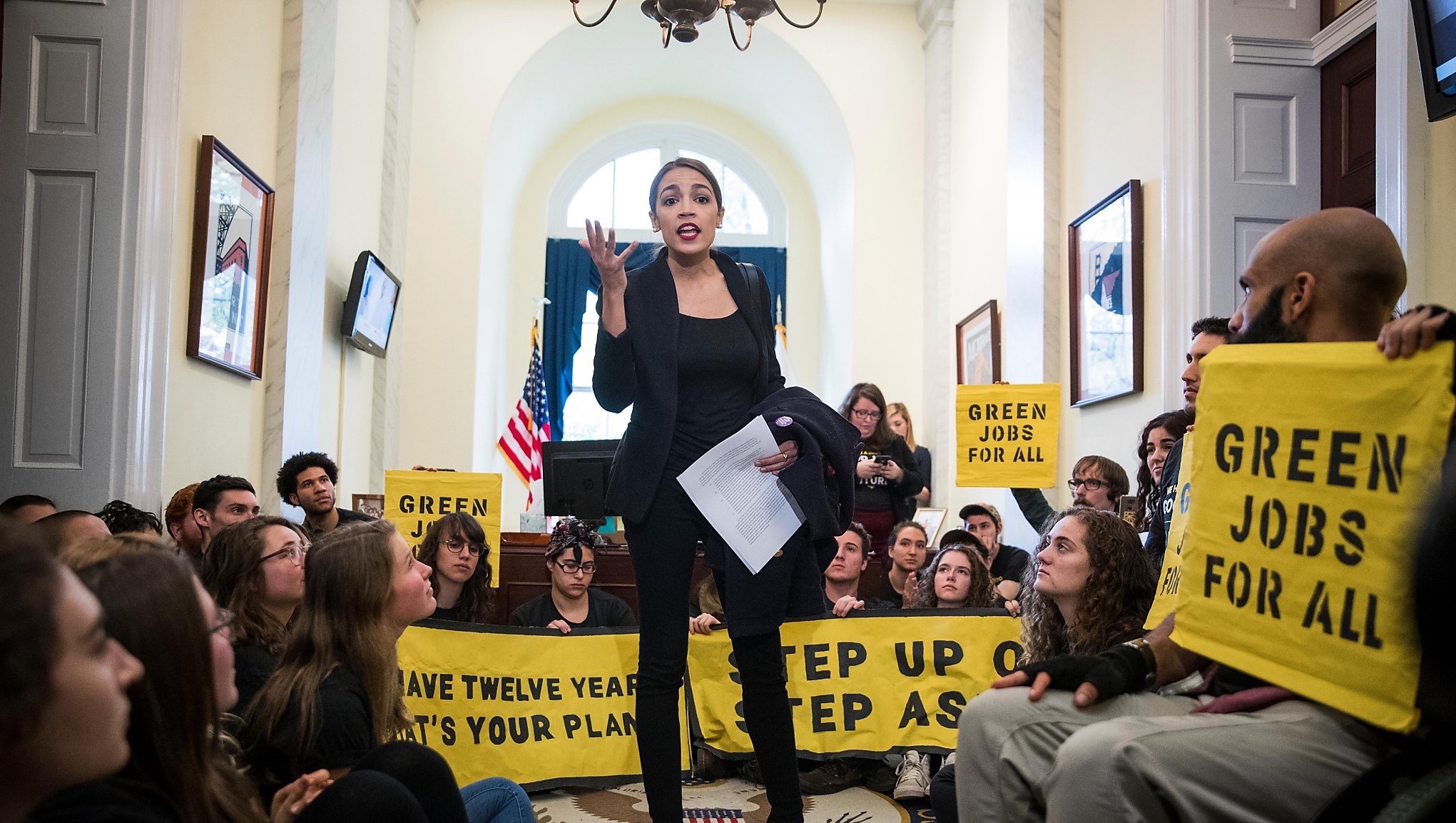
This course serves as an introduction to the politics of conservation and environmental policymaking in the United States. We will begin by first taking stock of the alarming environmental transformations now in motion and considering divergent perspectives about the political implications. Next, we will look at the key actors, institutions, and political processes which have comprised the “policy process” and examine the roles of different branches of government in crafting conservation and environmental policy in this country. We will then turn our attention to a series of case studies, each focusing on an important area of policy, to familiarize you with the substantive workings of those policies and the ideas, interests and historical struggles that shaped them. Finally, we will discuss the kinds of turbulence defining the present moment and consider how such circumstances can, and perhaps should, be approached.
A central puzzle preoccupying this course, and a pressing challenge for you to wrestle with throughout our time together, is the question of how to reconcile your increasingly detailed knowledge of (1) the persistent difficulties facing existing institutions and political processes for addressing environmental problems (notwithstanding some identifiable successes) with (2) the kinds of rapid, systemic changes urgently needed—and indeed, quite overdue at this late hour—to forestall the more outrageously cataclysmic scenarios of environmental ruination predicted by global change scientists. In other words, we confront a perennial question of social change: how to square what is believed to be necessary with what is believed to be possible.
Photo: Incoming Congressperson Alexandria Ocasio-Cortez speaking at a famous protest organized by the Sunrise Movement in the office of the Speaker of the House (November 13, 2018).
 DANIEL CHIU SUAREZ